Salesforce, Inc. (commonly just “Salesforce”) is a cloud-based software company best known for its Customer Relationship Management (CRM) platform. It provides tools for sales teams, service teams, marketing teams, commerce and more — all built on a common data platform.
If you’re responsible for sales, customer success or marketing, you’ll often find yourself juggling spreadsheets, disconnected tools and fragmented customer data. Salesforce helps by centralising customer records, automating key tasks (e.g. follow-ups, case resolution), enabling data-driven insights, and connecting teams across your organisation. It matters because better coordination + better data = fewer lost leads, faster service and more repeat business.
At a high level:
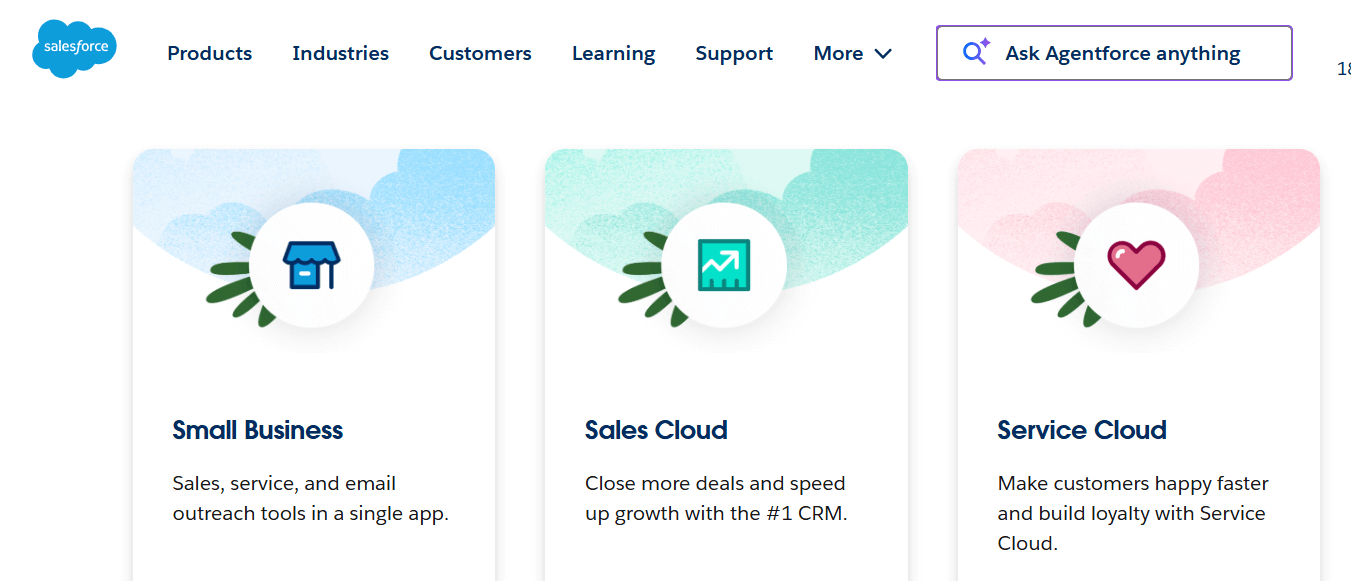
- You subscribe to Salesforce, pick the modules (e.g. Sales Cloud, Service Cloud, Marketing Cloud) and users.
- You load or integrate your customer data (contacts, accounts, deals, tickets) into its unified platform (often called Customer 360).
- You configure processes, workflows, automation (e.g. “when deal reaches stage X, send alert”, “when a case is marked high priority, escalate”) and possibly use low-code tools or custom development for advanced features.
- You use built-in dashboards, AI capabilities (Salesforce’s “Einstein”, now moving toward “Agentforce”) to gain recommendations and automation.