

Learning a new language has never been easier, thanks to the rise of language learning tools powered by technology. Whether you’re trying to pick up a new skill for travel, business, or personal growth, there are countless language learning apps available. These apps offer a variety of features, from grammar exercises to speaking practice, making them essential tools for anyone committed to mastering a foreign language.
In this article, we’ll take a look at the best free language learning tools that offer robust features, ease of use, and a user-friendly experience. From interactive games to real-time conversation practice, these tools will help you not only learn vocabulary and grammar but also build confidence in speaking and writing. Let’s explore the top 10 best language learning apps that will help you speak like a native in no time.
Benefits of Language Learning Tools
- Convenience: Many language learning apps allow you to learn at your own pace, from anywhere, and at any time. This flexibility is perfect for busy schedules.
- Interactivity: These tools often include interactive exercises, such as quizzes, flashcards, and speaking drills, which help reinforce learning.
- Customization: Language apps typically offer personalized learning plans based on your proficiency level and learning goals.
- Engagement: Gamification elements like points, levels, and rewards make language learning fun and motivating.
- Real-world Practice: Some apps allow you to practice speaking with native speakers, enhancing real-world conversation skills.
- Cost-effective: Many of the best language learning apps are free or offer substantial free content, making them accessible for everyone.
Top 10 Best Free Language Learning Tools
- Duolingo
- Memrise
- Lingvist
- Clozemaster
- Anki
- Busuu
- HelloTalk
- Tandem
- LingoDeer
- Babbel
Comparison Table
| Tool | Best For | Key Features | Pricing |
|---|---|---|---|
| Duolingo | Beginner language learners | Interactive exercises, gamification | Free, Premium starts at $6.99/month |
| Memrise | Vocabulary building | Video clips with native speakers, spaced repetition | Free, Premium starts at $8.49/month |
| Lingvist | Fast learning, vocabulary | Personalized learning, spaced repetition | Free, Premium available |
| Clozemaster | Contextual learning | Sentence-based learning, language immersion | Free, Premium $8/month |
| Anki | Flashcards and spaced repetition | Custom flashcards, spaced repetition | Free, Optional paid features |
| Busuu | Interactive lessons | Real-world conversations, grammar and vocabulary lessons | Free, Premium starts at $9.99/month |
| HelloTalk | Conversational practice | Text, voice messages, and video calls with native speakers | Free, Premium $6.99/month |
| Tandem | Speaking and cultural exchange | Text, voice, and video chat with native speakers | Free, Premium starts at $6.99/month |
| LingoDeer | Comprehensive language courses | Grammar-based learning, various languages | Free, Premium starts at $9.99/month |
| Babbel | Structured language lessons | Grammar and vocabulary lessons, speech recognition | Free trial, Premium $12.95/month |
1. Duolingo
Best For: Beginners looking for a fun and gamified way to learn a language
Review:
Duolingo is one of the most popular language learning apps, offering lessons in 30+ languages with a gamified structure that keeps practice fun and consistent. It focuses mainly on vocabulary and basic grammar, while also including speaking and listening exercises. It’s a strong starting point for beginners, but advanced learners may eventually need deeper grammar explanations and more immersive practice.
Features:
-
Gamified language lessons
-
Speaking, listening, and reading exercises
-
Progress tracking and rewards
-
30+ languages available
Pros:
-
Free to use
-
Easy, engaging learning experience
-
Wide variety of languages
-
Regular updates and new content
Cons:
-
Limited in-depth grammar explanation
-
Ads in the free version
Pricing:
Free with ads; Duolingo Plus: $6.99/month for an ad-free experience and offline lessons
2. Memrise

Best For: Vocabulary building and learning through context
Review:
Memrise focuses on vocabulary building and immersion-style learning, using native speaker videos and spaced repetition to help you remember words and phrases. Its lessons feel game-like and interactive, and the “real-world” clips help you understand how the language is actually used. That said, it’s not the best choice if you want deep, structured grammar instruction.
Features:
-
Native speaker video clips
-
Spaced repetition system
-
Learning based on real-world context
-
Courses for beginners and intermediate learners
Pros:
-
Fun, game-like learning experience
-
Large selection of languages
-
Free version available with solid content
Cons:
-
Limited grammar instruction
-
Free plan restricts access to some features
Pricing:
Free version with limited content; Premium: $8.49/month for additional features
3. Lingvist
Best For: Rapid vocabulary learning and personalization
Review:
Lingvist is built for fast learning, with a strong focus on vocabulary acquisition. It uses AI to personalize lessons, adapting difficulty and content as you improve. With spaced repetition and progress tracking, it’s a good fit for students who want efficient, targeted learning—though it’s not as comprehensive for advanced learners who need deeper grammar and broader practice.
Features:
-
AI-powered personalized learning
-
Spaced repetition for vocabulary retention
-
Progress tracking
-
Tailored content designed for faster learning
Pros:
-
Highly effective for vocabulary building
-
Fast-paced and efficient learning
-
Free version available
Cons:
-
Limited grammar explanations
-
Free plan has restrictions
Pricing:
Free version with basic features; premium plan available for more content
4. Clozemaster
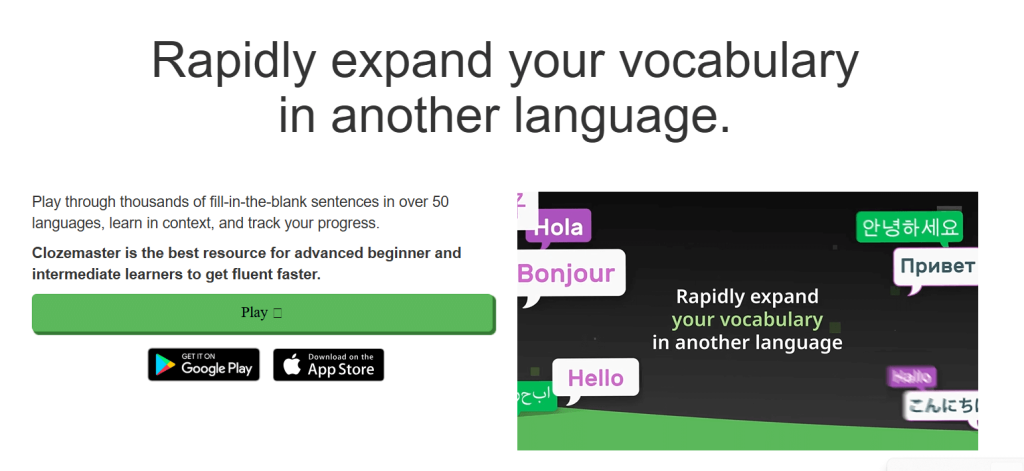
Best For: Contextual learning and sentence-based immersion
Review:
Clozemaster helps you improve language skills through real sentences, so you learn vocabulary and phrasing in context instead of isolated word lists. Its fill-in-the-blank style practice boosts comprehension and recall, making it especially strong for immersion-style learning. It’s best for learners with some basics already, since complete beginners may find it challenging without foundational grammar and vocabulary.
Features:
-
Sentence-based language practice
-
Spaced repetition system
-
Wide range of languages
-
Offers both free and premium plans
Pros:
-
Great for intermediate to advanced learners
-
Strong context-based learning
-
Extensive language selection
Cons:
-
Not beginner-friendly
-
Limited grammar and speaking practice
Pricing:
Free version available; Premium: $8/month
5. Anki
Best For: Flashcard-based learning and vocabulary building
Review:
Anki is a flashcard app that uses spaced repetition to help you memorize vocabulary, phrases, and concepts efficiently. It’s highly customizable—you can build your own decks or use shared decks made by other learners. Since it doesn’t include interactive lessons or conversation practice, it works best as a “retention engine” alongside other language learning tools, especially for serious learners who want long-term recall.
Features:
-
Spaced repetition system
-
Customizable flashcards
-
Access to shared decks
-
Multi-language support
Pros:
-
Extremely customizable
-
Ideal for vocabulary retention and long-term memory
-
Free and open-source (desktop)
Cons:
-
No interactive lessons or conversation practice
-
Steeper learning curve for beginners
Pricing:
Free on desktop; $25 one-time for the mobile app
6. Busuu
7. HelloTalk
8. Tandem
Best For: Real-life conversation practice
Review:
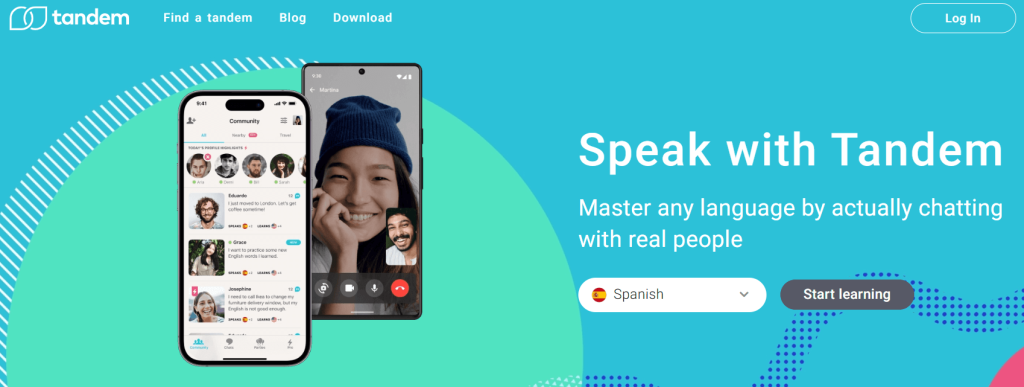
Tandem is a language exchange app that connects learners with native speakers for text, voice, and video conversations. It’s designed for practicing speaking and listening in real-world situations, and its correction tools help improve accuracy over time. Since it’s conversation-first rather than lesson-first, it’s best paired with a structured learning app if you’re still building foundations.
Features:
-
Text, voice, and video messaging
-
Language exchange with native speakers
-
Sentence correction tools
-
Personalized learning experience (match-based)
Pros:
-
Free conversation practice with native speakers
-
Built-in correction tools for improving accuracy
-
Great for building confidence in speaking
Cons:
-
Limited learning structure
-
Paid features required for more matches/advanced options
Pricing:
Free with in-app purchases; Premium starts at $6.99/month
9. LingoDeer
Best For: Structured learning and Asian languages
Review:
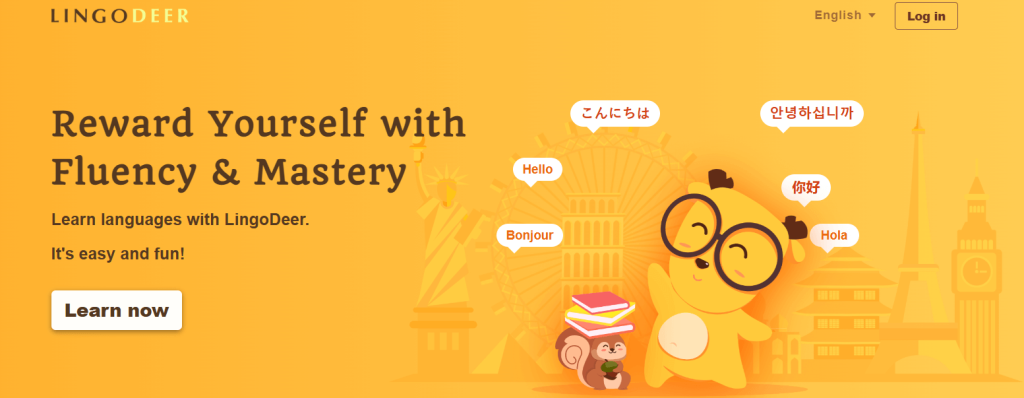
LingoDeer is a language learning app built around structured, step-by-step lessons that teach grammar and vocabulary through interactive exercises. It’s especially known for strong support for Asian languages like Japanese, Korean, and Chinese, making it a great fit for beginners and intermediate learners who want a clear learning path rather than open-ended practice.
Features:
-
Interactive lessons with a grammar focus
-
Strong focus on Asian languages
-
Progress tracking and review sessions
Pros:
-
Comprehensive, structured lessons
-
Great for beginners and intermediate learners
-
Free version with solid content
Cons:
-
Limited language options compared to broader apps
-
Some features are behind a paywall
Pricing:
Free version available; Premium starts at $9.99/month
10. Babbel
Best For: Structured lessons with a focus on conversational skills
Review:
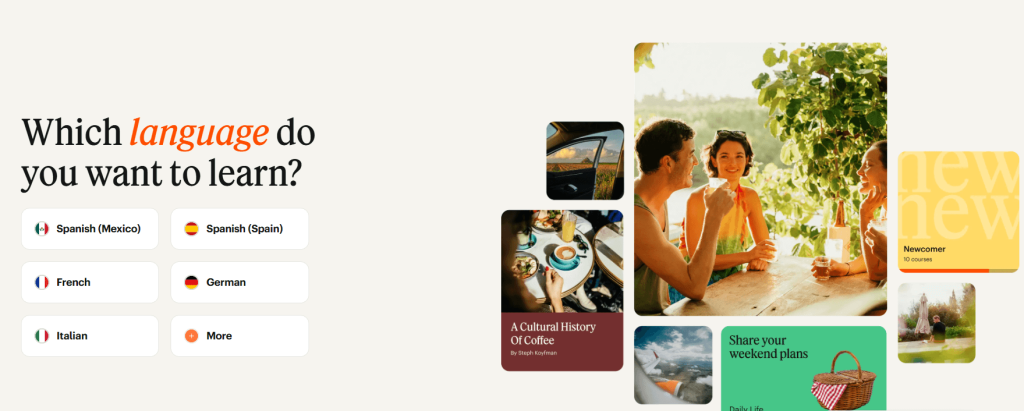
Babbel is a widely used language learning app with courses in 14 languages. It focuses on building conversational fluency through structured lessons that blend grammar, vocabulary, and speaking practice. Its personalized review sessions help reinforce what you’ve learned, but full access typically requires a paid subscription beyond the free trial.
Features:
-
Conversational, real-life focused lessons
-
Speech recognition for pronunciation practice
-
Personalized review sessions
-
14 languages available
Pros:
-
Well-structured lessons for beginners and intermediate learners
-
Strong focus on conversational skills
-
Easy-to-use interface
Cons:
-
Requires a paid subscription for full access
-
Free trial can be limited
Pricing:
Free trial available; Premium: $12.95/month
How to Choose the Best Language Learning Tools
- Determine Your Learning Goals: Are you focusing on speaking, grammar, or vocabulary? Choose an app that suits your needs.
- Language Availability: Ensure the app supports the language(s) you wish to learn.
- Budget: Consider free tools versus premium subscriptions, and evaluate what features are essential.
- User Interface: Choose a tool that you find intuitive and easy to navigate.
- Feedback and Interaction: Apps with feedback from native speakers or a built-in correction system can help improve accuracy.
- Learning Style: Decide whether you prefer a structured course, immersion, or language exchange to match your learning style.
Conclusion
Learning a new language is an exciting but challenging journey. Thankfully, the best free language learning tools available today can guide you every step of the way. Whether you’re practicing vocabulary with Duolingo, having conversations with native speakers on HelloTalk or Tandem, or mastering grammar with LingoDeer, there’s an app for every learner’s needs. Select a tool that fits your goals and start speaking a new language with confidence today!
FAQ
Which is the best free language learning app?
Duolingo is widely regarded as one of the best free language learning apps due to its gamified learning approach and vast language selection.
Can I learn a language for free using these tools?
Yes, many of the best language learning apps, like Duolingo and Clozemaster, offer free versions with significant content to help you learn.
Which app is best for practicing speaking?
Apps like HelloTalk and Tandem are great for practicing real-world conversations with native speakers.
Are these language learning tools good for beginners?
Yes, tools like Duolingo, Busuu, and LingoDeer offer structured lessons that are perfect for beginners.
How long does it take to learn a language with these tools?
The time it takes to learn a language varies, but with consistent practice using these apps, you can expect to see noticeable progress within a few months.

