iSpeech.org lofo

iSpeech

Rating: 4.0/5
User Satisfaction: 78.0%
iSpeech is a tool that provides text-to-speech and speech-to-text services for developers and organisations so they can add voice-output, voice-input and accessibility features to apps, websites and learning content.

Alternative To

Overview

 iSpeech is a cloud-based voice platform that offers two main capabilities: (1) converting text into spoken audio (TTS — text-to-speech), and (2) converting spoken audio into text transcripts (ASR — automatic speech recognition). It provides APIs and SDKs for integration into web apps, mobile apps, and server-side environments.


If you’re building an app, website or course content and you want to add voice (either output or input) — for accessibility, learning, voice assistants, audio-articles, IVR/phone systems — iSpeech allows you to implement that without hiring voice actors or building your own speech tech stack. For example, their site says publishers previously would pay thousands of dollars for voice talent; iSpeech claims major cost savings. Also important for accessibility and learners: converting text to spoken audio helps auditory learners and users with vision or reading difficulties.


You sign up for service, get an API key, choose a voice (gender, language, speed, tone) and send text via API or use their web/mobile tools; the service returns an audio file (TTS) or text transcript (ASR). They support multiple platforms (mobile, web, server) via SDKs.  On pricing, they offer free personal-use options and paid tiers for commercial/API use. Early caution: check the usage caps, rights/licensing for commercial use, and ensure the voice style and languages fit your target audience. Also ensure latency, format output (MP3, WAV etc) and regional language support meet your needs. For example they note a personal account cap of 100,000 words per conversion for certain plans.

Details

Tool Launch / Founded Date

2007

Best for

Developers building voice-enabled apps; eLearning / course creators adding audio; businesses needing voice output/input (e.g., IVR or audio content); organisations focused on accessibility.

Access Type

Freemium/personal free tier, subscription/usage-based for API/commercial use.

Licensing Model

Proprietary. For personal use there is a “Basic” free plan; commercial/API use requires paid plan and obeys usage caps and rights. Example: For personal use “Plus” plan supports up to ~4,167 words for US $2.95 or the “Premium” supports up to ~100,000 words ~US $29.95 annually. (ispeech.org) For API integration, there are pay-as-you-go credits (e.g., 2,000 credits US $50, 10,000 credits US $200) with per-word/transaction pricing.

Feature

  • Converts text into natural-sounding spoken audio (TTS) across multiple voices, languages and formats.
  • Speech recognition (ASR): convert audio input to text transcripts for mobile/web/desktop.
  • Developer APIs & SDKs for web, mobile, server side — permitting integration into apps, websites and devices. 
  • Multiple audio output formats supported: MP3, WAV, OGG, FLAC, etc.
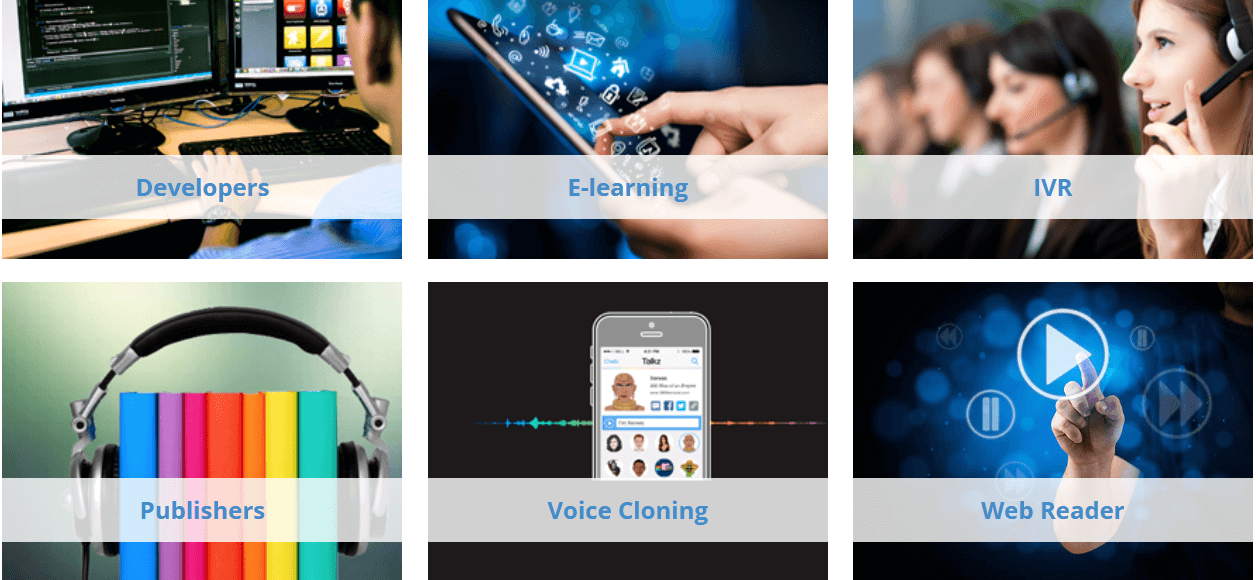
  • Use-case friendly: supports eLearning, accessibility, publishers, IVR/telephony voice messages.

Pricing Tables

Hacker (Free)
$0/month.

Basic access to TTS

Junior
$29/month

Includes higher usage than free.

Growth
$399/month

For heavier usage/API integrations.

Analytics

Traffic Analysis

Domain Rating
62
Organic Traffic
6597
Majority Users
United States

Visits Over Time

No visit data found.

Traffic Sources

No traffic data found.

Last Update Date: 2025-11-11

FAQ

Can I use the audio generated by iSpeech commercially (e.g., for a podcast or ad)?
Yes — but you must check the plan you’re on. The personal free/basic plans are for non-commercial/personal use only; commercial/distribution use typically requires a paid/commercial license. Their policies note “If you want to use iSpeech for anything other than Personal Use, you must contact us.
What are the usage limits or quotas?
For personal use they list caps: for example the “Plus” plan is up to ~4,167 words (≈30 minutes) and the “Premium” up to ~100,000 words (≈12 hours). (ispeech.org) For API/integration use there are credit-based pricing (e.g., 2,000 credits = US$50) with per-word/transaction pricing.
Can I integrate iSpeech into a mobile app or server-side backend?
Yes — iSpeech offers SDKs and APIs for web, mobile (iOS, Android, BlackBerry) and server/desktop environments. You’ll get an API key and can use mobile development vs production servers.
What languages and audio formats are supported?
They support multiple languages (e.g., the web page mentions 28 languages for the free TTS version) for text-to-speech. (ispeech.org) Audio output formats include WAV, VOX, MP3, OGG, AIFF, AU, FLAC etc.
Does iSpeech use my text/audio to train its models?
Not clearly detailed publicly. There is no obvious statement about whether user input is used for training. If you have strict data-governance or privacy requirements you may need to ask the vendor directly.
What happens if I need very large scale or custom voices?
For very large scale (high volume) or custom voice/branding, you should contact their sales team—they list “Creative Pricing / One-time fees / Custom Voices / Custom Language models” under their developer pricing page.

Related AI Tools

JimmyGPT is an AI chatbot tool that helps individuals chat, brainstorm, and get coding or writing assistance through
Dreamland Stories is a tool that helps kids create personalized AI-generated stories with images and narration so they
WriteMyEssay.ai is a tool that generates academic essays, outlines, and citations for students so they can draft papers
StoryHero is an AI storytelling tool that creates personalized illustrated stories for children so parents, teachers, and kids
MindChat is a mental wellness and concussion monitoring platform that combines AI assessments with EEG data for clinicians,
FanFicGen is a tool that generates AI-written fan fiction stories for fandom creators so they can brainstorm plots,