

Branding is essential for startups. It helps to build a unique identity, connect with the target audience, and establish trust. The right branding tools are crucial in shaping and managing a startup’s brand image. But with so many options out there, how do you know which ones to choose?
In this article, we’ll explore the top 10 branding tools for startups, detailing their features, benefits, and how they can elevate your brand presence. We’ll also provide a comparison table to help you make an informed decision on the best tools for your startup’s branding journey.
What Are a Startup’s Branding Tools?
Branding tools for startups are software or platforms that assist in the creation, management, and promotion of a startup’s brand identity. These tools can cover a variety of functions, from logo design and social media marketing to website building and analytics.
For startups, these tools are especially important as they help create a professional image and establish a strong, recognizable brand in a competitive market.
Benefits of Branding Tools for Startups
- Consistency: Branding tools help ensure consistency in design, messaging, and tone across all platforms, which is essential for creating a recognizable brand.
- Time Efficiency: Startups often have limited resources. Branding tools save time by automating processes and offering pre-designed templates, so you don’t need to start from scratch.
- Professional Appearance: These tools help create professional visuals, content, and campaigns without the need for a dedicated in-house designer or marketing team.
- Cost-Effective: Many branding tools are affordable, making it easier for startups to develop their brand without breaking the bank.
- Analytics and Insights: Branding tools also provide data-driven insights to understand customer preferences and market trends, enabling you to make informed decisions.
Top 10 Branding Tools for Startups
- Canva
- Hootsuite
- Tailwind
- Looka
- SurveyMonkey
- Wix
- Shopify
- BuzzSumo
- Adobe Spark
- Google Analytics
Comparison Table
| Tool | Best For | Key Features | Pricing |
|---|---|---|---|
| Canva | Design (logos, social media) | Easy-to-use, Templates, Collaboration | Free/Paid plans |
| Hootsuite | Social Media Management | Scheduling, Analytics, Multiple accounts | Starts at $19/month |
| Tailwind | Pinterest and Instagram | Scheduling, Analytics, Content Discovery | Starts at $19.99/month |
| Looka | Logo Design | AI-powered, Customizable Templates | Starts at $20 |
| SurveyMonkey | Customer Feedback | Surveys, Data Analysis, Customizable | Starts at $25/month |
| Wix | Website Building | Drag-and-drop editor, Mobile-friendly | Free/Paid plans |
| Shopify | E-Commerce Branding | Online Store Setup, Analytics, Payment Gateway | Starts at $29/month |
| BuzzSumo | Content Marketing | Content Research, Influencer Discovery | Starts at $99/month |
| Adobe Spark | Video and Content Creation | Video, Graphics, Web Pages | Free/Paid plans |
| Google Analytics | Website Analytics | Traffic Tracking, Audience Insights | Free |
1. Canva
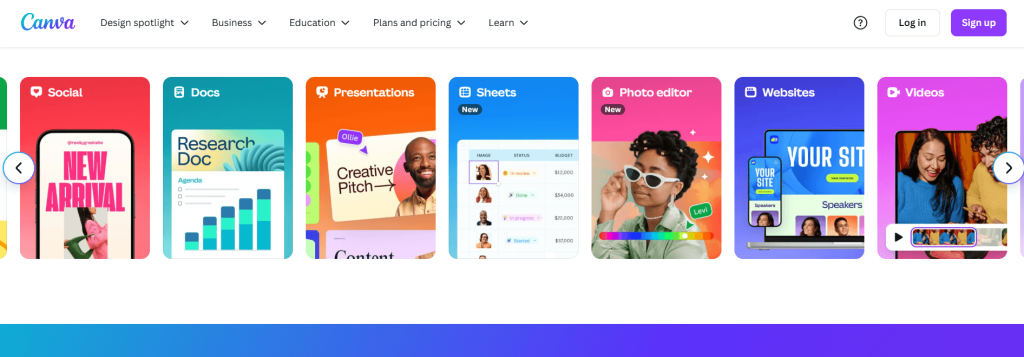
Review: Canva is one of the best design tools for startups, offering an intuitive platform that helps users create eye-catching graphics without a steep learning curve. It’s perfect for everything from social media posts and banners to logos and presentations.
Best For: Logo design, social media graphics, presentations.
Features: Drag-and-drop design, extensive library of templates, real-time collaboration.
Pros:
- User-friendly
- Free plan available
- Extensive template library
Cons:
- Limited customization options in free version
- Can get expensive with paid plans
Pricing: Free, Pro version starts at $12.99/month.
2. Hootsuite
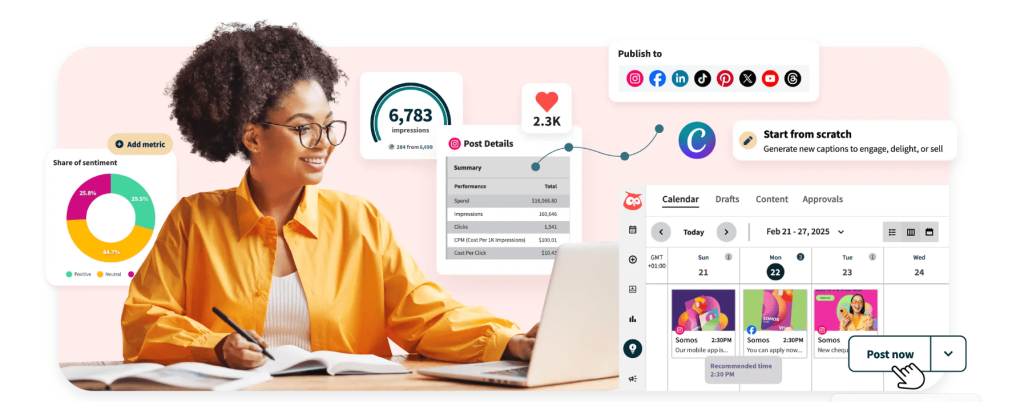
Review: Hootsuite is a powerful social media management tool that allows startups to schedule posts, track analytics, and manage multiple social media accounts in one place. It’s an excellent choice for brands that want to establish a strong social media presence.
Best For: Social media scheduling and management.
Features: Auto-scheduling, Analytics, Team collaboration, Multiple account management.
Pros:
- Excellent for managing multiple social profiles
- In-depth analytics
- Team collaboration
Cons:
- Learning curve for beginners
- Higher pricing for premium features
Pricing: Starts at $19/month.
3. Tailwind
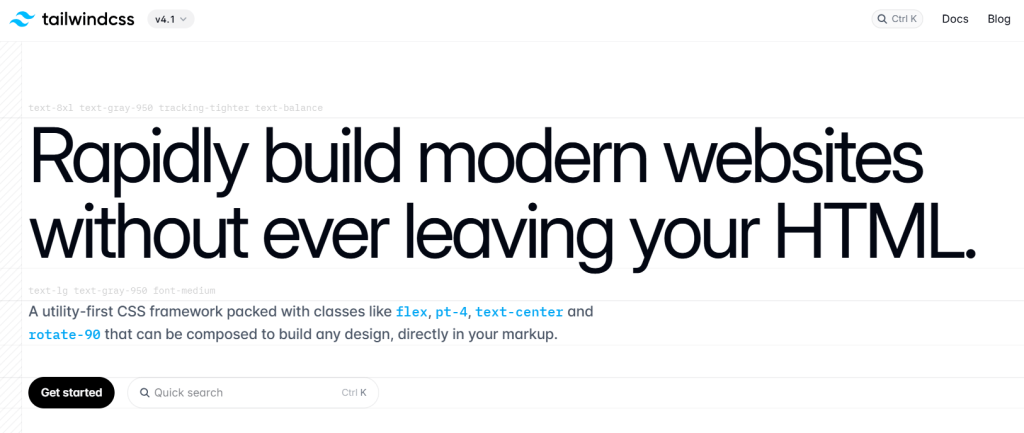
Review: Tailwind is a scheduling and analytics tool specifically designed for Pinterest and Instagram. Its ability to suggest content and automate posting makes it a great tool for startups looking to grow their social media presence.
Best For: Pinterest and Instagram marketing.
Features: Content scheduling, Analytics, Content discovery, Hashtag suggestions.
Pros:
- Excellent for visual platforms
- Easy-to-use scheduling features
- Effective analytics
Cons:
- Only supports Pinterest and Instagram
- Limited features in the free version
Pricing: Starts at $19.99/month.
4. Looka
Review: Looka uses AI to help startups create professional logos. With a variety of customizable templates, it’s easy to create a logo that aligns with your brand’s identity.
Best For: Logo design.
Features: AI-powered logo creation, Customizable templates, Brand kit.
Pros:
- Affordable logo design tool
- AI technology helps generate logo ideas
- Customizable templates
Cons:
- Limited design flexibility
- Logos can look generic
Pricing: Starts at $20.
5. SurveyMonkey
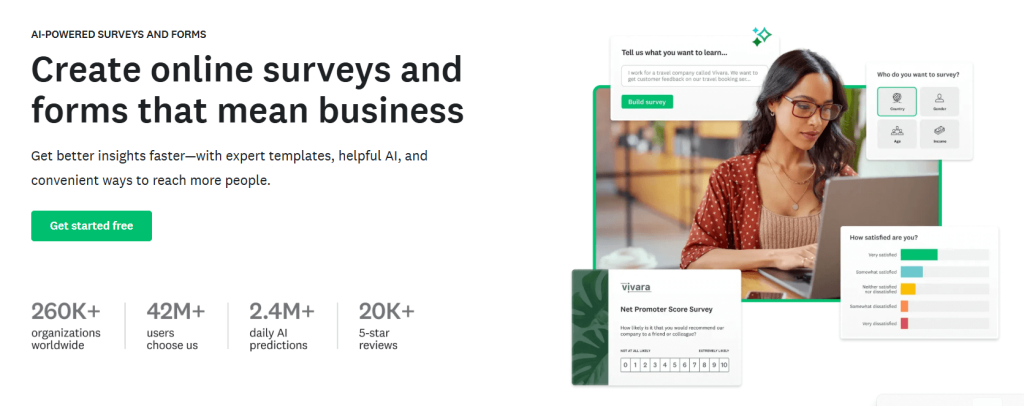
Review: SurveyMonkey is a survey tool that allows startups to gather customer feedback, conduct market research, and improve their product or service offerings based on real data.
Best For: Customer feedback and market research.
Features: Survey creation, Data analysis, Customizable surveys.
Pros:
- Easy-to-use
- Detailed analytics
- Highly customizable surveys
Cons:
- Limited features in the free plan
- Expensive for larger teams
Pricing: Starts at $25/month.
6. Wix
Review: Wix is a popular website-building tool that allows startups to create stunning websites without any coding knowledge. It comes with various templates and a user-friendly drag-and-drop editor.
Best For: Website creation.
Features: Drag-and-drop editor, Mobile optimization, Custom domains.
Pros:
- User-friendly
- Free version available
- Great for small businesses
Cons:
- Limited customization in free plan
- Can be expensive for advanced features
Pricing: Free, Premium plans start at $14/month.
7. Shopify
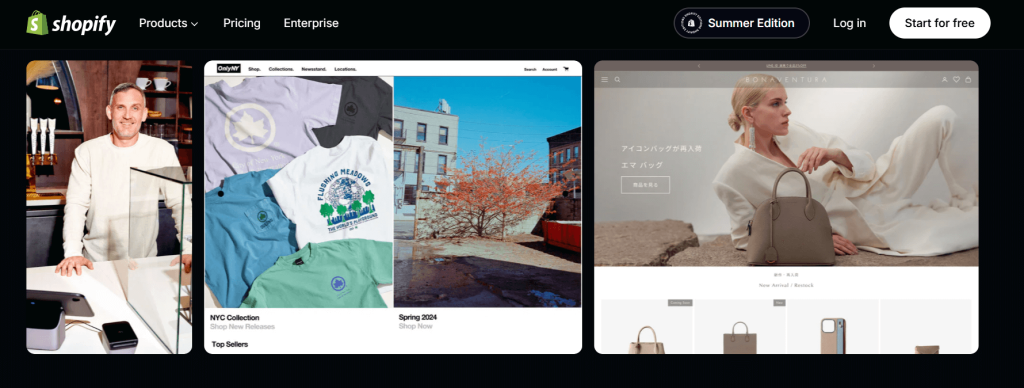
Review: Shopify is a comprehensive e-commerce platform that allows startups to set up an online store and manage their branding and sales all in one place. Its ease of use and powerful integrations make it an excellent choice for startups in the e-commerce space.
Best For: E-commerce branding.
Features: Online store creation, Payment gateways, Analytics, Marketing tools.
Pros:
- Robust e-commerce features
- Easy setup
- Multiple integrations
Cons:
- Monthly fee can add up
- Transaction fees unless using Shopify Payments
Pricing: Starts at $29/month.
8. BuzzSumo
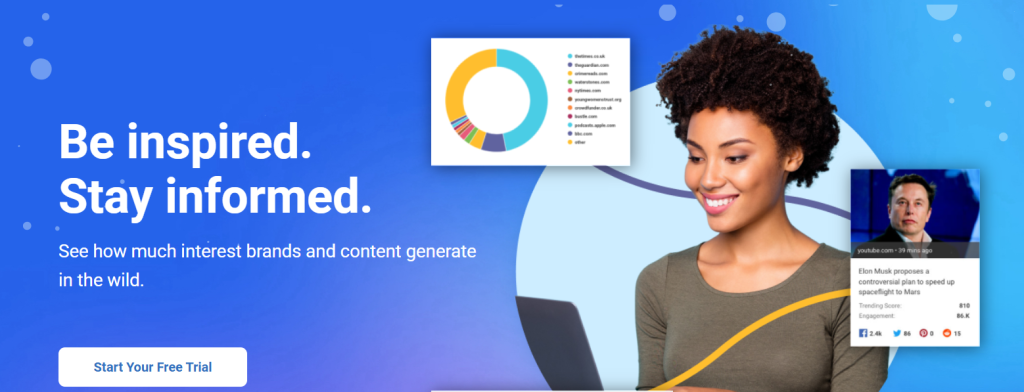
Review: BuzzSumo is a content marketing tool that helps you find trending topics, discover influencer content, and track brand mentions. It’s a great tool for startups to keep up with industry trends and create relevant content.
Best For: Content marketing and influencer research.
Features: Content analysis, Trend monitoring, Influencer discovery.
Pros:
- Excellent for content marketers
- In-depth analytics
- Helps find trending topics
Cons:
- Expensive for small businesses
- Limited features in the free version
Pricing: Starts at $99/month.
9. Adobe Spark
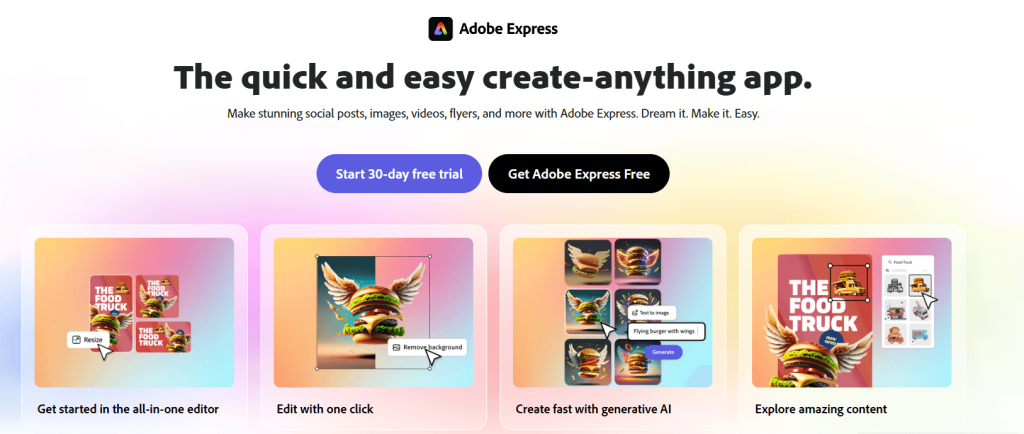
Review: Adobe Spark allows startups to create videos, social media posts, and graphics with ease. It’s a perfect solution for creating professional-looking visuals for marketing purposes.
Best For: Content creation and video marketing.
Features: Video creation, Web pages, Graphics, Customizable templates.
Pros:
- Easy-to-use
- Great for social media content
- Adobe integration
Cons:
- Limited customization in the free plan
- More complex than some other tools
Pricing: Free, Paid plans start at $9.99/month.
10. Google Analytics
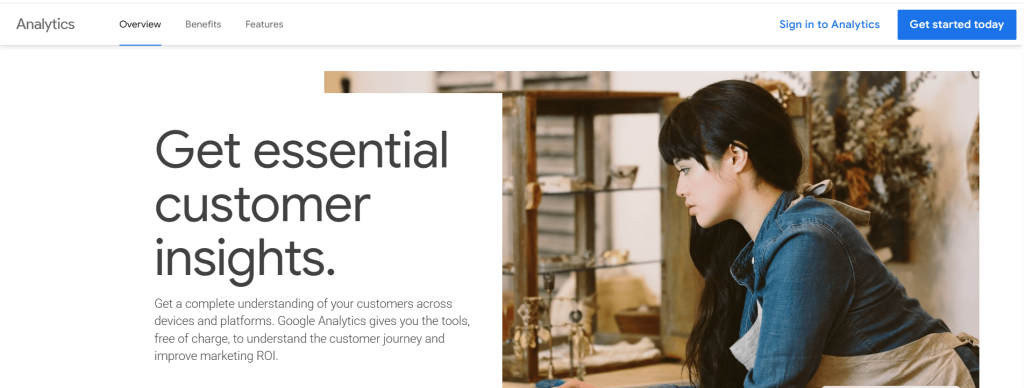
Review: Google Analytics provides in-depth insights into your website traffic, audience behavior, and more. It’s an essential tool for startups looking to optimize their website and marketing campaigns.
Best For: Website and marketing analytics.
Features: Traffic analysis, Audience insights, Conversion tracking.
Pros:
- Free
- Powerful analytics
- Essential for understanding customer behavior
Cons:
- Can be overwhelming for beginners
- Requires time to master
Pricing: Free.
How to Choose the Best Branding Tools for Startups
When selecting the best branding tools for your startup, consider the following factors:
- Your Business Needs: Identify the areas of branding you need the most help with, whether it’s design, marketing, or analytics.
- Ease of Use: Look for tools with intuitive interfaces and templates, especially if you’re a non-designer.
- Scalability: Choose tools that can grow with your business, offering features that scale as you expand.
- Budget: Stick to your budget, but remember that investing in good branding tools can pay off in the long run.
Conclusion
Building a successful brand requires the right tools. The 10 tools listed above are among the best in helping startups create a memorable brand identity, connect with their audience, and grow their business. Choose the ones that best align with your goals, and you’ll be on your way to branding success!
FAQ
Why is branding important for startups?
Branding is crucial for startups because it helps establish a unique identity, build customer trust, and differentiate your business in a competitive market. A strong brand also makes your business memorable, driving customer loyalty and attracting new clients.
Are these branding tools expensive?
Some tools offer free versions, while others require monthly subscriptions. However, the value they provide makes them a worthwhile investment.
How do I choose the right branding tool?
Consider your startup’s specific needs, the tool’s ease of use, scalability, and budget before making a choice.
Can I use these tools without a design background?
Yes, many of these tools are designed to be user-friendly and come with templates, so you don’t need any design expertise.
Are these tools good for long-term use?
Yes, these tools are scalable and can be used as your business grows and your branding needs evolve.

