


As a graduate student, juggling academic responsibilities can often feel overwhelming. From writing research papers to organizing projects, staying productive is crucial for success. Fortunately, the advancement of artificial intelligence (AI) offers a wide array of tools that can make a graduate student’s life a lot easier. These AI-powered tools can assist with everything from writing and research management to data analysis and even time management. In this article, we’ll explore the top 10 AI tools that every graduate student should consider adding to their academic toolkit. Whether you’re working on your thesis or simply trying to streamline your research, these tools can provide much-needed support, boosting both efficiency and productivity.
What Are AI Tools for Graduate Students?
AI tools for graduate students refer to a broad range of software applications that use artificial intelligence to help students with various tasks. These tasks can range from simplifying writing processes and organizing research to automating data analysis and providing language translation services. AI tools utilize machine learning, natural language processing, and deep learning techniques to automate and enhance the student’s workflow, allowing them to focus more on creativity and problem-solving rather than mundane, time-consuming tasks.
Benefits of AI Tools for Graduate Students
- Time Management: AI tools can automate repetitive tasks, such as organizing references, suggesting improvements to written content, and even summarizing research articles, freeing up more time for academic work.
- Improved Writing: AI-driven writing assistants help students with grammar, style, and citation management, ensuring their work is of high academic standards.
- Research Assistance: AI tools can analyze vast amounts of literature, identify trends, and provide insights that would typically take hours or even days to uncover manually.
- Enhanced Productivity: AI-powered tools offer various features like task scheduling, reminders, and collaboration platforms to help students stay organized and productive.
- Data Analysis: Graduate students working on research projects that involve data can benefit from AI tools that assist with statistical analysis and data visualization.
Top 10 AI Tools for Graduate Students
-
ResearchRabbit
-
Elicit
-
Scholarcy
-
Scinapse
-
Consensus
-
Semantic Scholar
-
Ref-N-Write
-
Litmaps
-
Scite
-
DeepL Translator
Comparison Table
| Tool | Best For | Key Features | Pricing |
|---|---|---|---|
| ResearchRabbit | Literature discovery + mapping | Paper graph, recommendations, collections | Free (with optional paid tiers if offered) |
| Elicit | Automated literature review | Ask questions, extract evidence, summarize studies | Free tier; paid plans vary |
| Scholarcy | Paper summarization | Summary cards, key points, citations, highlights | Free trial; paid plans vary |
| Scinapse | Finding relevant papers fast | Smart search, relevance ranking, research discovery | Free; premium may vary |
| Consensus | Evidence-backed answers | Research-based Q&A from studies, citations | Free tier; paid plans vary |
| Semantic Scholar | Academic search + AI features | Paper discovery, author tracking, TLDR summaries | Free |
| Ref-N-Write | Academic writing support | Academic phrasebank, rewriting, templates | Paid plans vary |
| Litmaps | Citation mapping | Visual maps, citation trails, alerts for new papers | Free tier; paid plans vary |
| Scite | Citation context & quality | Supporting/contrasting citations, Smart Citations | Free tier; paid plans vary |
| DeepL Translator | Translating research | High-quality translation, document translation | Free; Pro from ~$5.99/month |
1. ResearchRabbit

2. Elicit
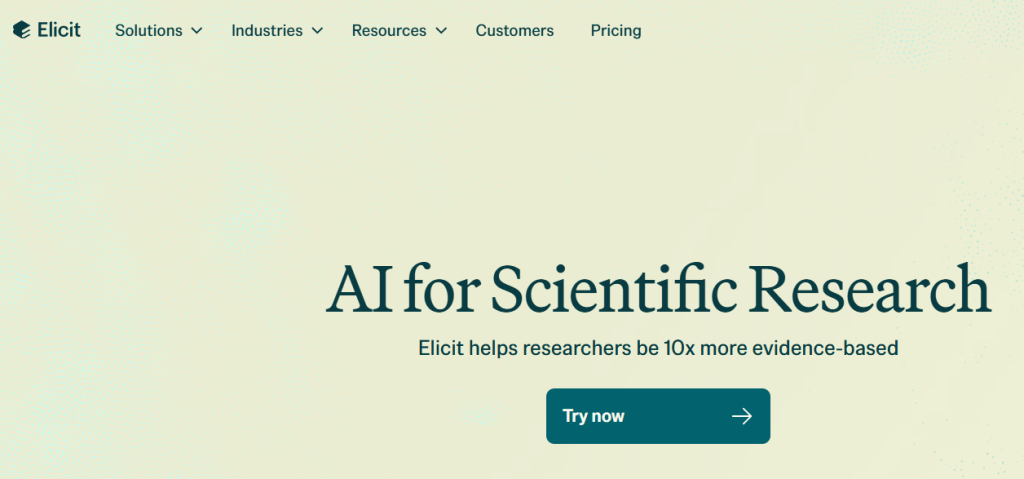
Best For: Automated literature review and evidence extraction
Review:
Elicit is a powerful tool for literature reviews, especially when you need evidence-based answers quickly. You can ask a research question and it helps find relevant papers, extract key claims, and summarize results in a structured format—great for early scoping and building an evidence-backed outline.
Features:
-
Question-based search
-
Paper summaries
-
Evidence tables
-
Study extraction tools
Pros:
-
Huge time-saver for literature review and early scoping
-
Helps organize findings into structured evidence
Cons:
-
You still need to verify papers and interpret findings carefully
Pricing:
Free tier available; paid plans vary
3. Scholarcy
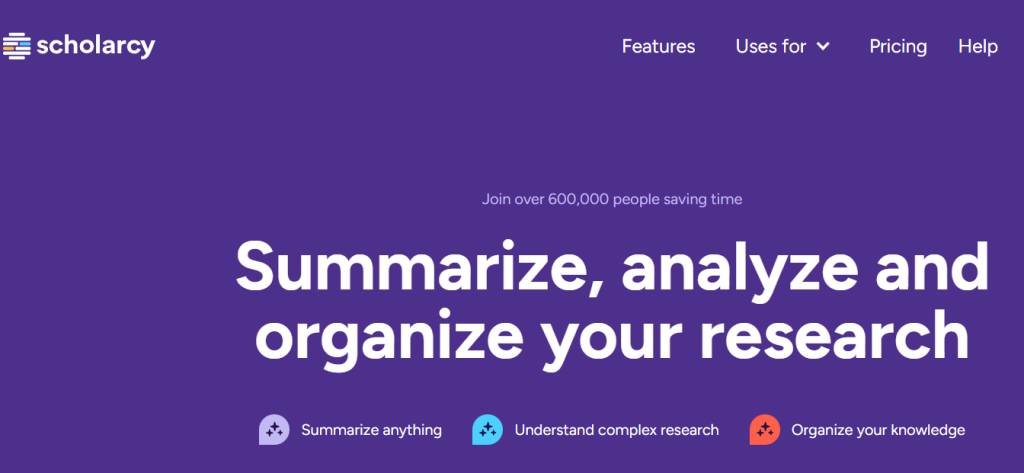
Best For: Paper summarization and fast reading
Review:
Scholarcy turns long research papers into summary cards that capture the key points, methods, results, and references. It’s great for quickly scanning papers, deciding what’s worth a deep read, and building a smooth “reading pipeline” for literature reviews.
Features:
-
Summary cards for quick review
-
Highlights and key takeaways
-
Key citations and references
-
Structured breakdown (methods/results, etc.)
Pros:
-
Excellent for compressing papers into digestible summaries
-
Helps you triage papers faster during literature review
Cons:
-
Summaries can miss nuance in complex or theoretical work
Pricing:
Free trial available; paid plans vary
4. Scinapse
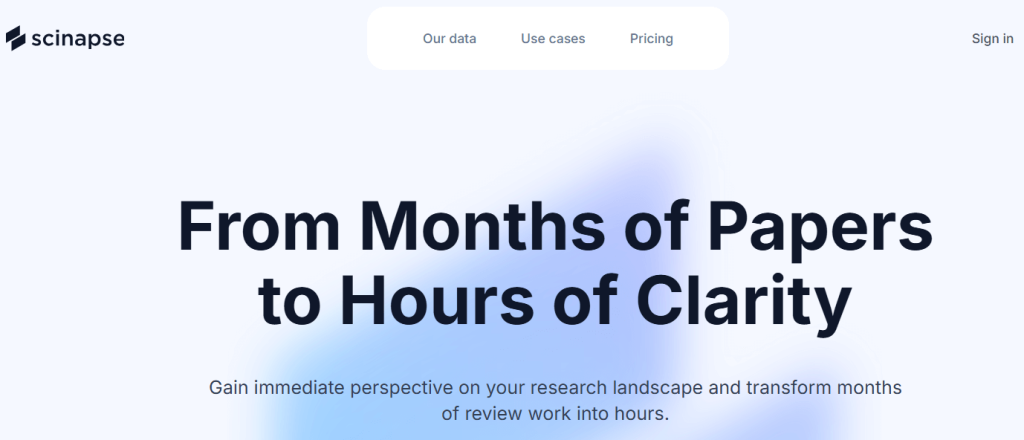
Best For: Finding highly relevant papers fast
Review:
Scinapse is a research discovery tool built to help you find relevant papers quickly using strong search ranking. It’s especially helpful when Google Scholar feels too broad or cluttered, and you want faster filtering and cleaner discovery while exploring a topic.
Features:
-
Smart search with relevance ranking
-
Research discovery feeds
-
Fast filtering for narrowing results
Pros:
-
Good discovery experience with quick filtering
-
Helps surface relevant papers faster
Cons:
-
Not a writing tool
-
Results depend on metadata and search quality
Pricing:
Free; premium options may vary
5. Consensus
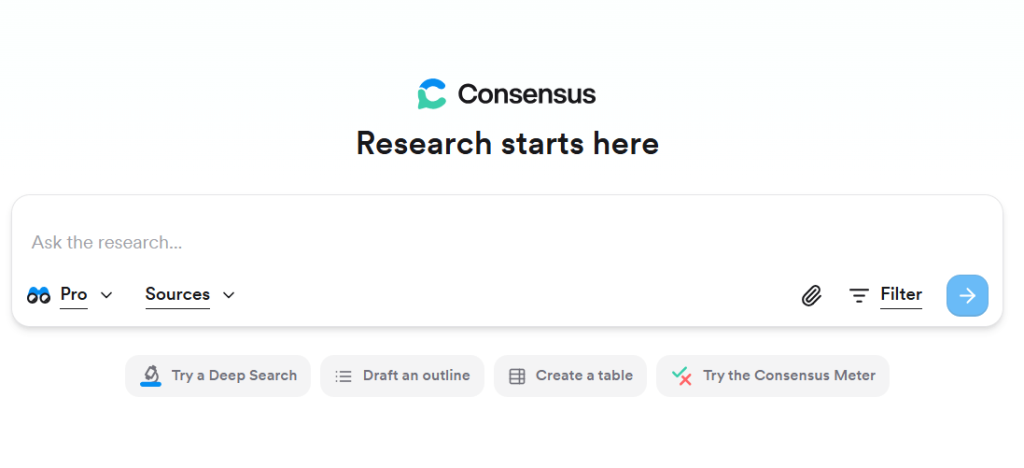
Best For: Academic search and paper discovery
Review:
Semantic Scholar is a top free academic search engine with AI-powered features that make paper discovery faster. It offers TLDR-style summaries, citation graphs, and author tracking, which helps graduate students quickly scan relevance and follow research threads across a field.
Features:
-
TLDR summaries for quick scanning
-
Citation graph for exploring references and influence
-
Author pages and profiles
-
Alerts and tracking for new papers
Pros:
-
Free, fast, and clean interface
-
Strong discovery and citation exploration tools
Cons:
-
Coverage can vary depending on the research field
Pricing:
Free
7. Ref-N-Write
Review
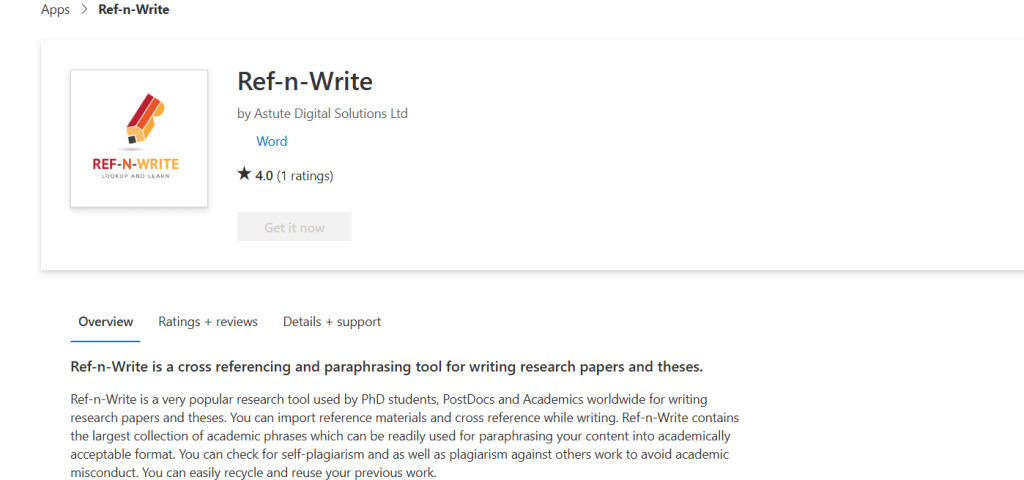
Ref-N-Write is a writing assistant designed specifically for academic writing. It provides useful suggestions, templates, and a phrase bank to help students improve their writing clarity, structure, and vocabulary in research papers and theses.
Best For
- Graduate students working on academic papers, dissertations, and theses.
Features
- Academic phrase bank
- Sentence rephrasing
- Plagiarism detection
- Writing templates
Pros
- Excellent for improving academic writing
- Includes phrases for various types of academic writing
- Integrates with Word
Cons
- Windows-only software
- Limited free features
Pricing
- Starts at $29.99/year
8. Litmaps
Best For: Literature mapping and paper tracking
Review:
Litmaps helps you visualize literature through citation maps, making it easier to see how a research area evolved and to identify foundational “must-cite” papers. It’s especially useful for building thesis background chapters and supporting systematic review workflows with paper trails and alerts.
Features:
-
Citation maps for visual literature exploration
-
Paper trails to track connections between studies
-
Alerts for new relevant publications
-
Discovery paths for expanding a research area
Pros:
-
Great for systematic reviews and thesis background chapters
-
Makes it easier to find foundational and highly connected papers
Cons:
-
Some advanced mapping features may require a paid plan
Pricing:
Free tier available; paid plans vary
9. Scite
Review
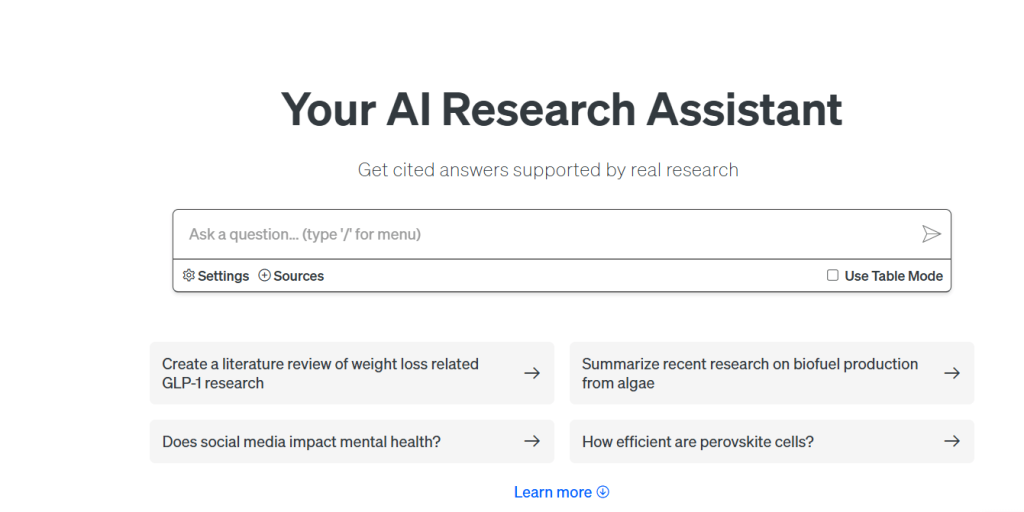
Scite is an AI tool that helps graduate students with literature reviews by automatically analyzing research papers. It identifies key insights, trends, and citations, making it easier to conduct thorough and accurate literature reviews.
Best For
- Graduate students conducting literature reviews or synthesizing research.
Features
- Citation analysis
- Smart search functionality
- Automated literature review tools
Pros
- Speeds up the literature review process
- Helps students find high-quality research papers
- Integration with reference managers
Cons
- Limited features in the free version
- Premium needed for advanced features
Pricing
- Free version available
- Premium plans: Start at $14.99/month
10. DeepL Translator
Review
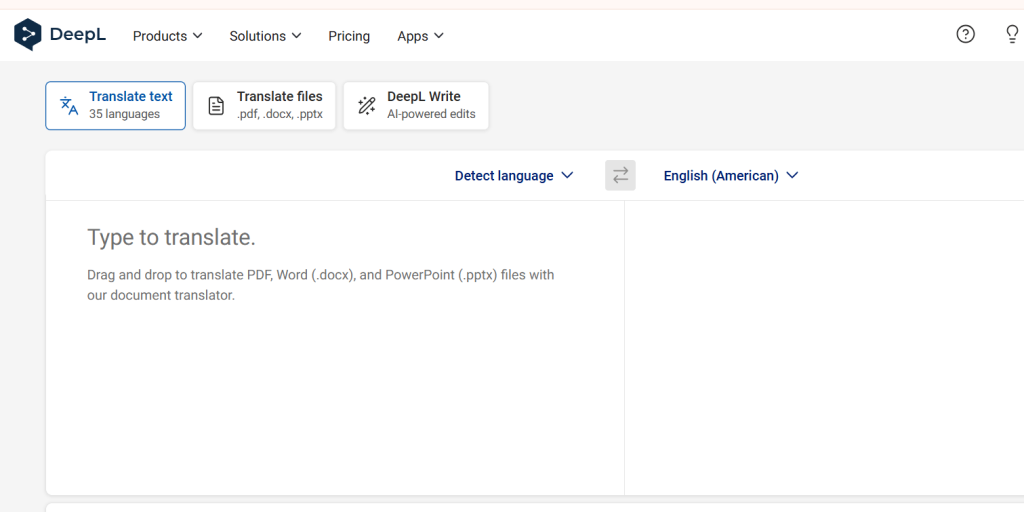
DeepL Translator is an AI-powered translation tool that offers high-quality translations for academic papers, articles, and research materials. It’s especially useful for graduate students who need to work with non-English sources or collaborate internationally.
Best For
- Graduate students who work with multilingual research materials.
Features
- High-quality translation
- Text and document translation
- Supports multiple languages
Pros
- Accurate translations
- Fast and efficient for academic use
- Free version available
Cons
- Premium required for document upload
- Limited language support compared to competitors
Pricing
- Free version available
- Pro: Starts at $5.99/month
How to Choose the Best AI Tools for Graduate Students
When selecting AI tools, consider the following:
- Functionality: Ensure the tool addresses your specific academic needs (e.g., writing assistance, research management, or data analysis).
- Ease of Use: Choose tools that integrate well with your existing workflow and are intuitive to use.
- Pricing: Look for tools that fit your budget, especially if you’re a student on a tight budget.
- Features: Make sure the tool offers all the features you need, whether it’s citation management, task organization, or content creation.
- Compatibility: Ensure the tool works across devices and integrates with other software you already use.
Conclusion
AI tools can greatly enhance a graduate student’s productivity, writing quality, and research capabilities. With the right AI tools, students can streamline their academic workflow, allowing them to focus on what truly matters—learning and innovation. Whether you need a writing assistant, a reference manager, or a tool for data analysis, there’s an AI solution for every need.
FAQ
What is the best AI tool for academic writing?
Grammarly and Ref-N-Write are great tools for improving grammar, structure, and academic tone.
Are there any free AI tools for graduate students?
Yes, tools like Zotero, Mendeley, Grammarly, and DeepL offer free versions with useful features.
Can AI tools help with research management?
Yes, EndNote, Zotero, and Mendeley are excellent tools for managing citations and organizing research.
How do AI tools help with data analysis?
AI tools like Scite and Scribe assist with research analysis by automatically processing and summarizing data.
Are AI translation tools reliable for academic use?
DeepL Translator provides high-quality translations and is reliable for academic use, especially for multilingual research.

